My teaching methods come from my background in the Russian Piano School, which is well-known for its extraordinary melodism, honesty, sincerity and (purely Russian) in-depth passion for interpretation. The Russian School of professional training is an endless path that provides a set of keys for the student to open the doors to inspiration and talent.
The Russian School teaching methods is concerned not only with the mechanics of the hand and arm movements, but develops creative hearing, seriousness of artistic concepts, romantic and intellectual impulses – in other words, a clear musical intonation along with emotional colors and dynamic values.
The personality of the teacher allows the student to grow with personality, soul and individuality. In this atmosphere, watching the clock is useless. You can’t thumbtack on hours and minutes!
The Russian Piano School is undeniably successful and superior to other methods in creating talented, artistic and well-rounded students.
Teaching Piano to Children
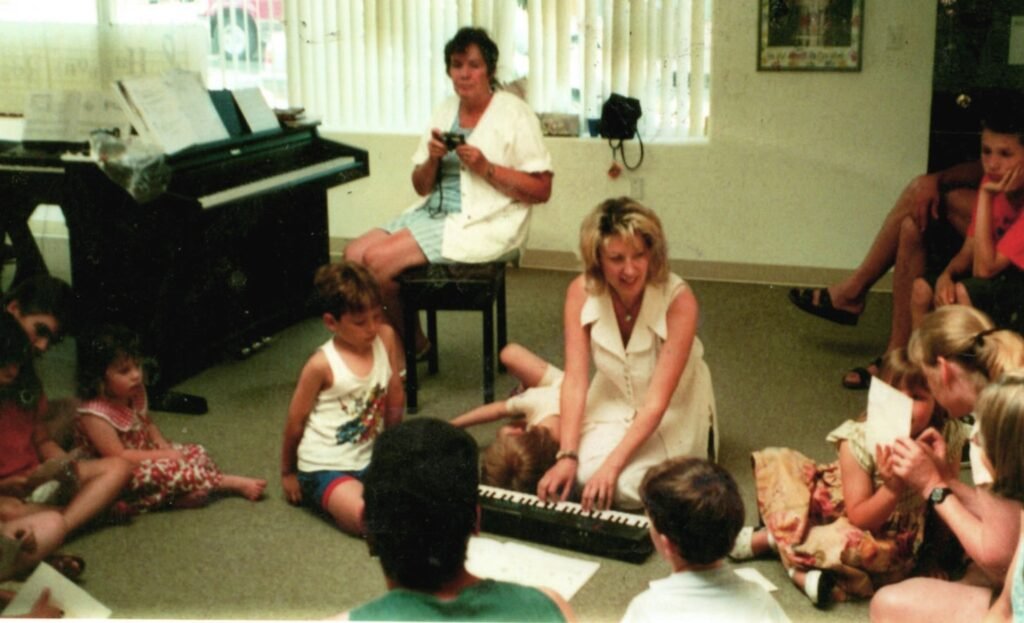
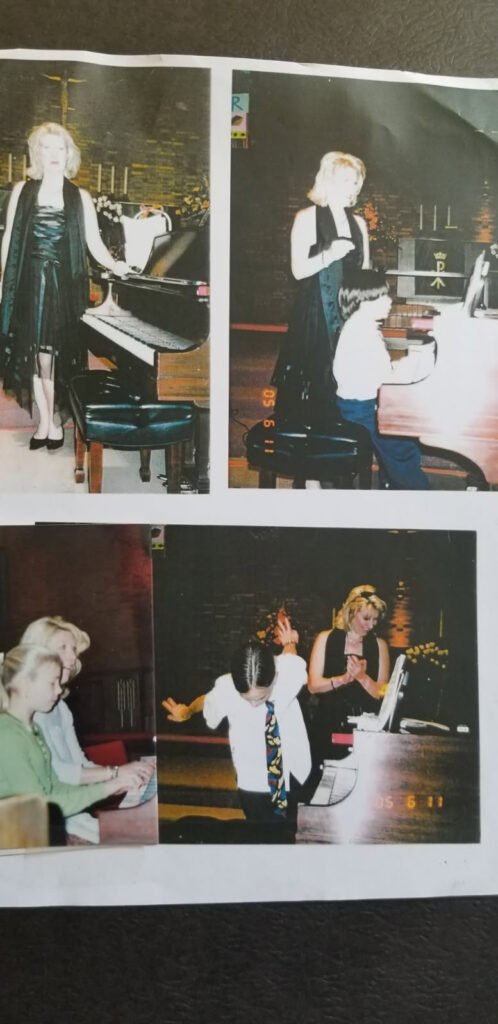
I teach children to play the piano because I love them both – piano playing and children. Teaching piano to a child spills over into several areas crucial to a child’s development: small motor skills; memory retention; concentration and self- discipline. It creates interaction between the right and left hemispheres of the brain by transferring information back and forth quickly. It instantaneously coordinates complex movements of both hands and promotes spatial reasoning skills. Finally, learning to play the piano can help the child grow spiritually, intellectually and socially.
Just imagine that your child’s companion for life would be music! This wonderful art can ignite a lifetime of passion, create joy and strength and provide solace when times are hard. Not every student will become a professional pianist, but opening up the world of music, art and emotion is available for anyone.
If a student cancels a lesson for lack of practice, I tell them that they especially need the lesson, and that we will turn it into such a good practice session they will be glad they came! of course, I am disappointed when a student hasn’t had time to practice, but it happens to almost everyone occasionally. Students,who haven’t practiced have two strikes against them—they are unprepared, and as a result they feel guilty. My first job is to make them feel comfortable about coming for a lesson without preparation and our second task is to make the lesson so productive , they would be glad they came!
I usually devote such a lesson to detailed work on one or more of the pieces they are studying, focusing on what constitutes efficient and effective practice, and on how much can be accomplished in a short period of time. My goal is not to get a week’s work done in one lesson but to dig deeply into one or two compositions, enjoying the luxury of this lesson for which the only agenda is MOTIVATING the student to rally constructive practice in the week to come.